AI Upskilling Programs: How to Prepare Employees to Work With Intelligent Tools
Artificial intelligence is no longer a distant innovation reserved for specialized teams. It is rapidly becoming embedded in everyday workflows across sales, marketing, engineering, operations, and leadership functions. Employees are expected to use AI tools to analyze data, automate repetitive tasks, generate content, and support decision-making processes.
This widespread adoption is creating new expectations around workforce capability. Organizations are discovering that introducing AI technologies is not enough to deliver productivity gains or innovation outcomes. The real challenge lies in preparing employees to use these tools effectively and responsibly.
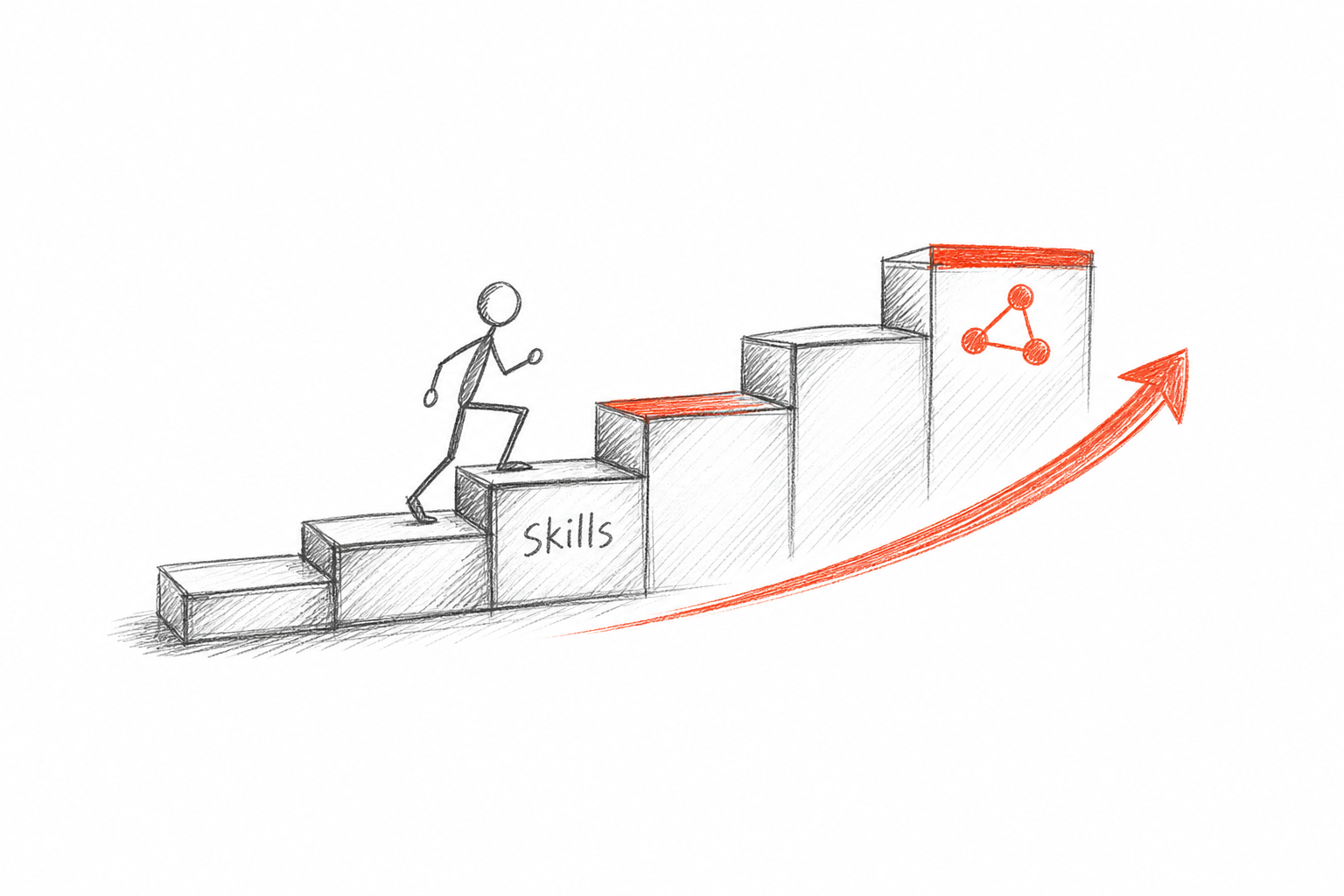
AI upskilling programs are therefore emerging as a critical component of modern workforce upskilling strategy. Companies that invest in structured capability development can accelerate technology adoption, reduce resistance to change, and unlock the full value of their digital transformation initiatives.
TL;DR – AI Upskilling Programs: How to Prepare Employees to Work With Intelligent Tools
- AI adoption is increasing the need for structured workforce upskilling programs focused on practical capability development.
- Awareness-based training is not sufficient to prepare employees to collaborate effectively with intelligent tools.
- Simulation-based learning helps teams practice AI-enabled workflows and build confidence in real scenarios.
- Platforms like Anthropos enable organizations to measure AI readiness and align skill development with transformation goals.
Moving Beyond AI Awareness Toward Practical Readiness
Many organizations begin their AI journey by offering introductory training sessions or theoretical courses that explain what artificial intelligence is and how it might impact different roles. While these initiatives help build awareness, they rarely translate into meaningful behavioral change.
Employees may understand the potential of AI but still feel uncertain about how to integrate it into their daily responsibilities. They may experiment with tools in an unstructured way or rely on inconsistent practices that limit effectiveness. Without practical experience, confidence remains low and adoption uneven.
Effective AI upskilling programs must therefore go beyond conceptual knowledge. They need to provide opportunities for employees to engage with real scenarios where AI becomes part of the problem-solving process. This hands-on exposure helps individuals understand not only what AI can do, but how it should be applied within the context of their organization.
Developing the Skills Required for AI Collaboration
Working alongside intelligent systems requires a combination of technical understanding and broader professional capabilities. Employees must learn how to frame questions clearly, interpret outputs critically, and refine AI-generated insights to meet business objectives.
In many cases, this involves strengthening foundational skills such as analytical thinking, communication, and adaptability. For example, a sales representative using AI tools to prepare client conversations must still exercise judgment in tailoring messaging to specific stakeholders. A product manager leveraging predictive analytics must be able to translate data-driven recommendations into actionable strategies.
AI upskilling programs should therefore focus on building holistic capability rather than isolated tool proficiency. Organizations that take this broader approach are better positioned to create teams that can collaborate effectively with technology and adapt as tools continue to evolve.
Simulation-Based AI Upskilling in Practice
Simulation-based learning models are particularly effective for AI upskilling because they replicate the complexity of real work environments. Through Anthropos Workforce, employees can participate in immersive scenarios where AI tools are integrated into tasks that mirror their responsibilities.
Participants might analyze customer feedback using AI-generated summaries, evaluate automated recommendations for operational improvements, or collaborate with virtual stakeholders who rely on data insights. These experiences allow employees to practice decision-making in situations where technology is a supporting partner rather than a replacement.
Such simulations generate structured data about how individuals approach AI-enabled challenges. Leaders gain visibility into which teams are confidently adopting new workflows and which require additional support. This insight helps organizations refine development programs and ensure that investments in technology are matched by investments in capability.
Aligning AI Upskilling With Strategic Transformation
AI upskilling becomes most valuable when it is aligned with broader organizational transformation efforts. Companies introducing new digital products, automating internal processes, or expanding data-driven decision-making must ensure that employees are prepared to contribute effectively.
Without targeted skill development, transformation initiatives can face delays or fail to deliver expected returns. Employees may revert to familiar practices, underutilizing new tools or struggling to integrate them into established workflows.
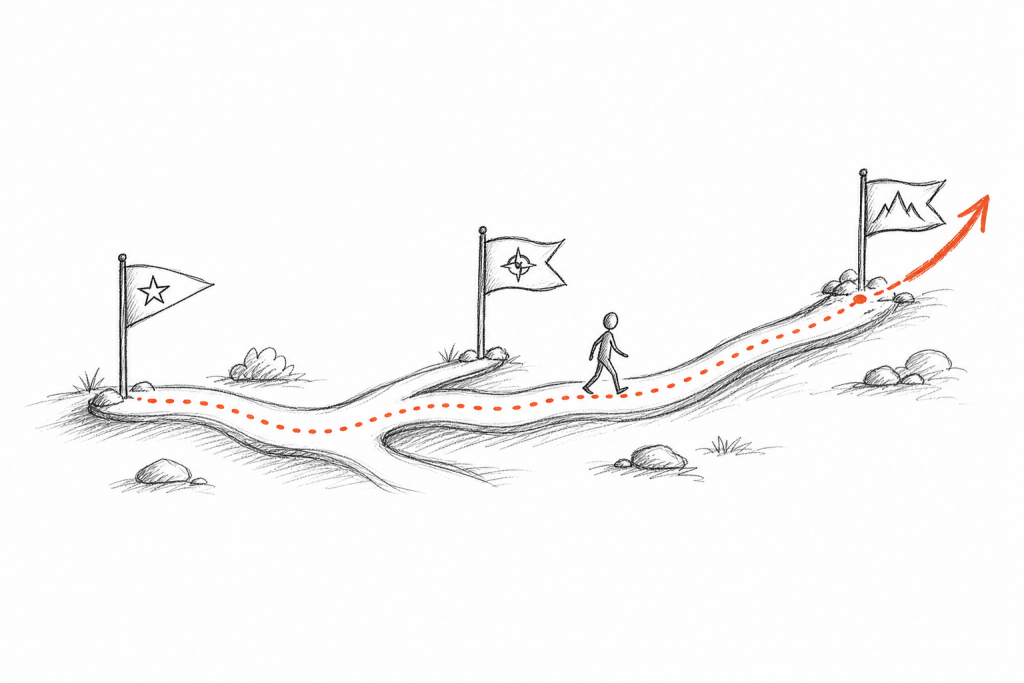
Anthropos enables organizations to design structured skill paths that support specific transformation goals. By combining simulations with ongoing assessment, leaders can track how capabilities evolve and adjust development priorities accordingly. This approach helps ensure that AI adoption is not limited to pilot projects but becomes embedded across the workforce.
Measuring the Impact of AI Upskilling
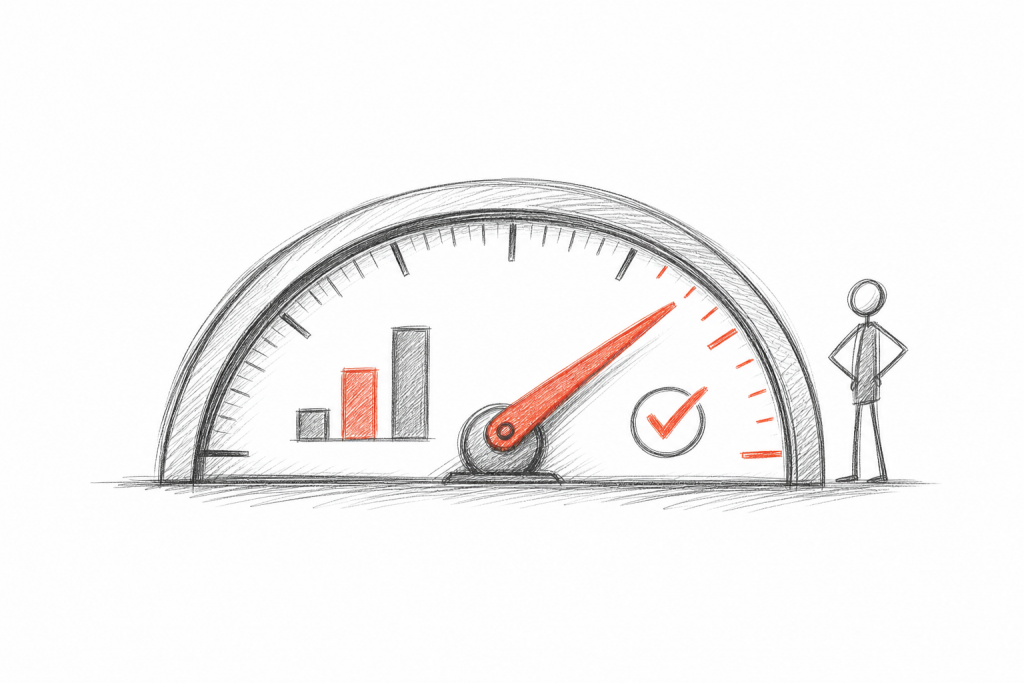
One of the key challenges organizations face when implementing AI upskilling programs is measuring their effectiveness. Traditional indicators such as training attendance or certification completion provide limited insight into whether employees are becoming more capable.
Performance-based metrics offer a more meaningful perspective. These may include improvements in productivity, faster project delivery, increased quality of decision-making, or higher levels of cross-functional collaboration. By linking skill development to tangible outcomes, companies can evaluate the return on their investments and identify areas for further improvement.
Anthropos supports this measurement process by capturing behavioral data during simulations and aggregating insights into skill maps. Leaders can observe how AI readiness evolves across teams and functions, enabling them to make informed decisions about hiring, internal mobility, and future learning initiatives.
Building a Workforce Ready for Continuous Technological Change
AI will continue to reshape the workplace in ways that are difficult to predict fully. Organizations that succeed will be those that treat capability development as an ongoing priority rather than a one-time initiative.
AI upskilling programs help create a culture where employees feel empowered to experiment with new tools, learn from experience, and adapt to emerging challenges. This mindset not only supports technology adoption but also fosters innovation and resilience.
Anthropos plays a key role in enabling this cultural shift by providing development experiences that are practical, engaging, and measurable. Through immersive simulations and structured learning journeys, organizations can prepare their workforce to navigate the complexities of an AI-driven environment.
As intelligent technologies become integral to business operations, the ability to build AI-ready teams will distinguish organizations that thrive from those that struggle to keep pace.
FAQ – AI Upskilling Programs
What is AI upskilling?
AI upskilling refers to developing employees’ ability to use artificial intelligence tools effectively in their daily work and decision-making processes.
Why is AI upskilling important for organizations?
It helps companies accelerate technology adoption, improve productivity, and ensure that employees can adapt to new workflows created by digital transformation.
How can companies implement effective AI upskilling programs?
Organizations can combine practical learning experiences, such as simulations, with structured skill paths and ongoing capability assessment.
What skills are required to work effectively with AI?
Employees need analytical thinking, adaptability, communication skills, and the ability to interpret and refine AI-generated insights.
How does Anthropos support AI upskilling initiatives?
Anthropos provides immersive simulations and data-driven insights that help organizations track capability development and prepare teams for AI-enabled work environments.