Organizations today operate in an environment where skills determine competitiveness more than ever before. Technology evolves quickly, customer expectations shift continuously, and new roles emerge faster than traditional job frameworks can keep up. In this context, companies are realizing that understanding what their workforce is truly capable of doing is no longer optional. This growing ...

Most organizations don’t realize they have a workforce capability problem until it begins to affect performance. A major project slows down because teams lack the right technical expertise. A new product launch struggles because customer-facing teams are not ready to handle complex conversations. A digital transformation initiative stalls because employees are unsure how to adopt ...

Artificial intelligence is not just changing the tools employees use. It is changing the very definition of work itself. Across industries, AI is accelerating tasks that once required hours of manual effort. Software developers can now write code with AI assistance. Marketing teams generate campaign ideas with large language models. Sales representatives rely on predictive ...
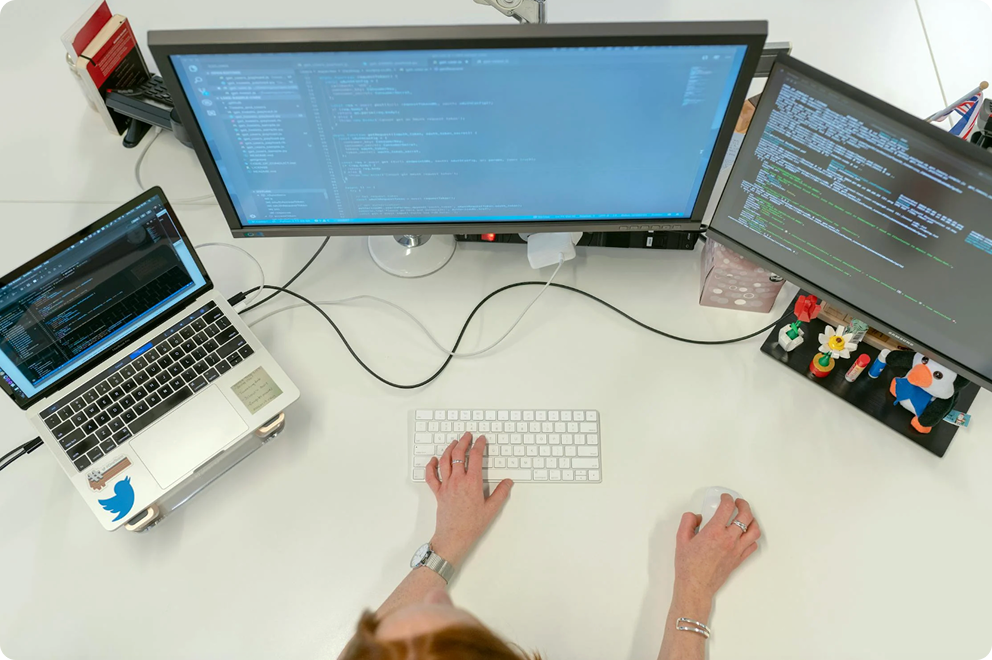
Many organizations today face the same uncomfortable question: are our teams actually ready for what’s coming next? Markets are changing quickly. Artificial intelligence is transforming workflows. Customer expectations evolve constantly, and new tools appear faster than teams can adopt them. In this environment, simply having talented people on staff is not enough. What matters is ...
For a long time, workforce decisions were made based on manager input, tenure, or simple performance reviews. Who’s ready for promotion? Who needs support? Who’s at risk of burnout or churn? These questions were often answered by what someone “felt,” not what the data showed. But as companies grow, reorganize, and integrate AI into more ...

For decades, companies have made talent decisions based on static snapshots: job titles, performance reviews, self-assessments. But in today’s environment—where roles evolve rapidly, AI is reshaping workflows, and skills become outdated in months—those snapshots are no longer enough. The real competitive advantage lies in understanding what your people can actually do right now, and how ...